

Reach OKXBet Customer Support via Mobile in Nigeria
📞 Need quick help with OKXBet in Nigeria? Discover how to reach their mobile support line safely, avoid scams, and explore other contact options for reliable service.
Edited By
Isabella Clark
Gambling addiction is becoming a serious concern across Nigeria, cutting across age groups and social classes. From football betting shops littered in Lagos and Abuja to casino halls in urban centres, many Nigerians find themselves trapped in a cycle of chasing losses and mounting debts.
This growing problem affects not only the individuals but their families and communities. Some fall into severe financial hardship, while others experience strained relationships or mental health challenges. Despite the widespread nature of this issue, awareness and support remain limited.

In Nigeria, gambling addiction often starts with easy access to sports betting via mobile apps or roadside kiosks. Many young people are enticed by quick money prospects, only to stumble into dependence. The illegal and unregulated sector complicates efforts to monitor and offer help.
It's crucial to understand that gambling addiction is a behavioural disorder, not just a lack of self-control. Like other addictions, it requires structured support and intervention.
Recognising the signs early can prevent deeper harm. Common warning indications include:
Spending more money than planned on betting activities
Feeling restless or irritable when not gambling
Lying about gambling behaviour to family or colleagues
Borrowing money or selling possessions to fund gambling
Neglecting work or social responsibilities
Support networks in Nigeria are growing. NGOs like the Responsible Gambling Initiative organise counselling programmes, while some financial institutions now flag unusual transactions linked to gambling. On the government front, the National Lottery Regulatory Commission enforces guidelines to curb unregulated operators.
Backed by mobile money platforms like Paga and fintech innovations, technology can both fuel and help solve gambling addiction. For instance, some apps allow users to set spending limits or self-exclude temporarily.
As this article progresses, it will explore practical steps for individuals and communities to tackle gambling addiction, the role of key players in support, and examples of effective interventions within Nigeria's unique context.
Understanding the challenge is the first step to beating it, and this discussion aims to equip you with the knowledge and tools to make informed decisions or assist others facing this problem.
Gambling addiction presents a complex challenge in Nigeria, impacting individuals and communities in various ways. Understanding what constitutes this addiction and recognising its forms is key to tackling its rise effectively. For sports bettors, bankers, customer service reps, and compliance officers, this knowledge helps in identifying risky behaviours early and implementing appropriate support or intervention.
Gambling addiction is a compulsive urge to gamble that disrupts a person’s control, leading to negative consequences financially, emotionally, or socially. Counselling professionals highlight symptoms such as persistent thoughts about gambling, betting more money to recover losses, and inability to stop despite clear harm. This is more than just a hobby; it affects daily life and wellbeing.
The main difference lies in control and impact. Casual gambling is a controlled activity done for fun without harming finances or relationships. On the other hand, addiction means gambling dominates a person’s decisions, sometimes stealing from family funds or taking loans to gamble. For example, a customer service agent who occasionally joins a local betting pool differs sharply from one who spends salary advances on online betting sites, risking job and family stability.
Sports betting and lottery remain the most visible forms of gambling in Nigeria. Betting on football matches through operators like Bet9ja or NairaBet attracts millions. These platforms create an illusion of easy money, especially during major football tournaments, leading many into addiction when small bets escalate into frequent, risky wagers.
Smartphone penetration and internet access fuel online gambling’s rapid growth. Apps and websites offer casino games, slots, and virtual betting 24/7, making it easy to place bets anytime. This convenience increases exposure, with many young Nigerians losing track of time and money, sometimes withdrawing key household funds to bet online.
Unsupported by formal regulation, informal gambling is prevalent in markets, workplaces, and neighbourhoods. Examples include street lottery, dice games, and community betting pools run by local agents. These practices, though less structured, pose significant risks due to lack of transparency and occasional deceptive tactics.
Nigeria’s high youth unemployment and economic difficulties make gambling attractive as a quick way to earn. Many see betting as a chance to escape financial hardship, despite often resulting in further losses. This desperation drives reckless betting behaviours.
Social circles heavily influence gambling habits. Groups of friends or colleagues encouraging betting as a social activity can push individuals into regular gambling. Events like aso ebi parties or office pools normalize gambling and sometimes pressure non-gamblers to join.
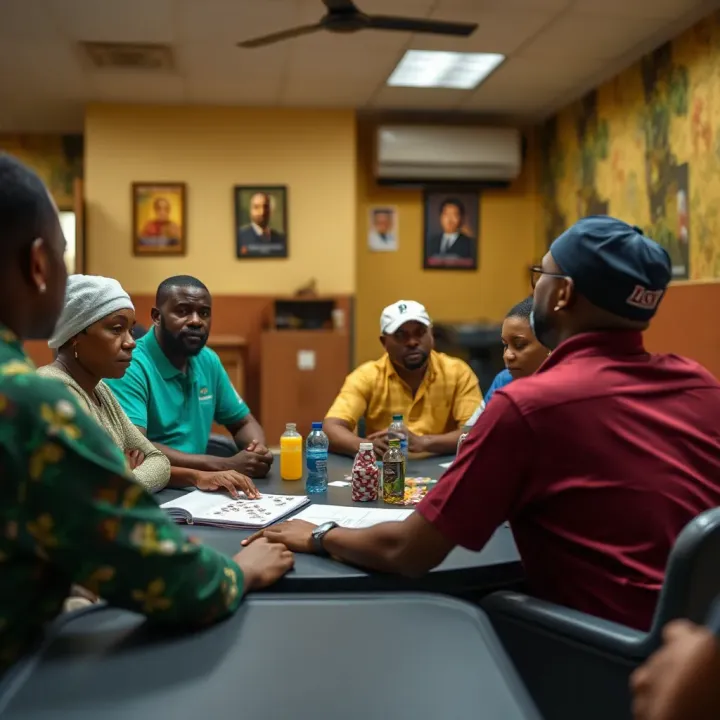
Mobile technology has removed many barriers to gambling. The ease of using mobile payments, apps, and SMS betting means people can wager discreetly anytime. This ready access, especially among youths with prepaid data and smartphones, has heightened gambling addiction risks across Nigeria.
Understanding these layers helps stakeholders develop targeted strategies to manage gambling addiction before it escalates. Recognising how addiction differs from casual betting, identifying popular gambling forms, and acknowledging key drivers are essential steps toward practical, context-driven solutions tailored to Nigerian realities.
Gambling addiction carries serious consequences for individuals, families, and society in Nigeria. These impacts extend beyond the immediate players, affecting economic activities, community safety, and public resources. Understanding these consequences helps insurance companies, compliance officers, and service providers recognise the wider ripple effects of persistent gambling habits.
Chronic gambling often leads to severe financial distress. Many Nigerians fall into mounting debts trying to recover lost stakes or maintain their gambling pace. For example, a young man in Lagos might borrow extensively from loan sharks, leaving him unable to meet basic needs. This financial strain affects not just the gambler but their entire household, often pushing families into poverty.
The pressure of financial instability causes emotional strain on gamblers and their families. Tensions rise at home, with frequent arguments, mistrust, and sometimes domestic violence. Spouses or children may feel neglected or vulnerable, eroding family bonds. Such breakdowns create a negative environment that can trigger long-lasting psychological wounds.
Gambling addiction frequently accompanies anxiety, depression, and feelings of hopelessness. The cycle of winning and losing disrupts mental balance, leading to insomnia and poor concentration. In extreme cases, suicidal thoughts emerge. Without timely intervention, mental wellbeing deteriorates, reducing the gambler's quality of life and ability to make sound decisions.
To sustain their gambling, some individuals resort to crime, including theft, fraud, and even internet scams. For instance, reports have linked gambling debts to rising cases of financial crimes in cities like Abuja and Port Harcourt. This upswing not only endangers victims but places huge pressure on law enforcement agencies trying to contain such offences.
Gambling addiction hampers work performance as affected individuals may frequently miss work or underperform due to stress or preoccupation. Companies in Lagos and other commercial hubs have lost millions of naira in productivity because employees engage in gambling activities during working hours or show reduced focus.
Communities face additional challenges as gambling addiction increases demand for social services, health care, and counselling. Public hospitals and NGOs often struggle to provide counselling due to limited funding. The indirect cost includes diversion of scarce resources that could be put to other urgent community needs.
Addressing gambling addiction requires a multi-faceted approach recognising these consequences, thereby enabling stakeholders to design targeted support and policies.
The impacts highlighted here show that gambling addiction is not just a personal issue but one that affects the fabric of Nigerian society, calling for urgent and comprehensive responses.
Finding effective help for gambling addiction in Nigeria is vital for individuals struggling to regain control over their lives. Timely access to support services not only aids recovery but also reduces the negative consequences on families and communities. This section highlights practical avenues where affected persons can seek professional treatment, connect with peers, and use digital tools designed to support their journey out of addiction.
Psychologists and addiction specialists play a key role in treating gambling addiction by providing tailored counselling that addresses both the psychological triggers and behavioural patterns involved. In Nigeria, these experts help clients understand the root causes of their addiction, such as stress or peer pressure, and develop coping strategies that reduce the urge to gamble. For example, cognitive behavioural therapy (CBT) is commonly used to change harmful thought patterns linked to gambling.
Besides counselling, rehabilitation centres offer structured treatment programmes combining medical, psychological, and social support. Although options remain limited, facilities such as the Federal Neuro-Psychiatric Hospital in Lagos provide specialised services for behavioural addictions, including gambling. These centres often include group therapy, family counselling, and relapse prevention plans—making the treatment more comprehensive and practical for individuals aiming to break free from addiction.
Community-based support groups create safe spaces where individuals can share experiences and offer encouragement. Groups like Gamblers Anonymous Nigeria, which conduct local meetings in cities like Abuja and Port Harcourt, help reduce isolation and stigma by connecting people with similar struggles. These grassroots networks often rely on volunteers who have personally overcome addiction, bringing practical insights and hope to newcomers.
With the rise of internet access, online forums and peer counselling have become viable support channels, especially for those unable to attend physical meetings. Platforms on social media or dedicated websites provide anonymity and convenience while offering peer advice and motivational content. These virtual networks maintain continuous connection, which is crucial for long-term recovery, as members check in on each other regularly.
National and private helplines dedicated to gambling addiction have started emerging in Nigeria, offering immediate support and guidance. These hotlines connect callers to trained counsellors who provide crisis intervention, assess severity, and recommend next steps. While still growing, they serve as critical first points of contact for many facing urgent challenges and uncertainties about professional treatment.
Mobile apps and websites focused on addiction management are gaining traction among tech-savvy Nigerians. Apps such as QuitGamble and local platforms designed by fintech firms offer self-help tools like daily tracking of gambling urges, educational content, and relaxation exercises. These digital resources help individuals monitor progress and stay committed to recovery even outside traditional settings.
Access to tailored support—be it through professional treatment, community groups, or digital tools—is essential for beating gambling addiction in Nigeria. Knowing where to find help makes the difference between persistent struggle and lasting recovery.
Families and communities are frontline defenders in addressing gambling addiction. Their role is critical because addiction often strains relationships and social ties, which can either worsen or aid recovery. Support at this level provides a safety net, encouraging affected people to seek help and rebuild their lives.
Spotting gambling addiction early involves watching for signs like secrecy about money, frequent borrowing, or withdrawal from family activities. When these signs appear, approaching the individual requires tact. For example, in Lagos, a mother noticed her son’s sudden interest in betting apps and missing money. She chose a quiet moment to express her concern without judgement, opening a conversation. This careful approach helps avoid pushing the person away and can lead to openness about their struggles.
Once a loved one acknowledges their problem, pushing for professional support is key. Families should encourage visits to psychologists or addiction specialists and explore local treatment centres like those available in Abuja or Port Harcourt. At the same time, setting clear boundaries about finances or gambling-related behaviours protects the family’s stability. For instance, some parents in Ibadan refuse to lend money to their children until they join counselling, helping to break the cycle of enabling addiction.
Communities can raise awareness by organising events that explain gambling addiction’s dangers and available support options. Churches, mosques, or town halls can host workshops that draw in local residents. Such programmes help demystify addiction and encourage affected individuals to seek help without shame. For instance, a workshop held in Enugu educated local youths and their parents about betting risks, reducing stigma around asking for support.
Local chiefs, religious leaders, and respected figures can influence attitudes towards gambling addiction. When they speak openly against gambling abuse or back rehabilitation programmes, community acceptance grows. For example, in Kano, an Emir’s endorsement of responsible gambling and addiction counselling strengthened local participation in support groups. Their involvement also helps enforce community norms that discourage harmful gambling behaviours.
Strong family ties and informed communities create an environment where people addicted to gambling feel supported, understood, and more willing to take necessary steps towards recovery.
Together, these family and community actions form a practical framework that tackles gambling addiction beyond the individual, addressing it as a societal challenge.
Government intervention plays a key role in managing gambling addiction across Nigeria. Regulatory frameworks not only set legal boundaries for gambling activities but also create an environment for responsible gambling and accessible support for addicts. Without strong government involvement, the risks connected with unchecked gambling — such as financial ruin and social decay — increase significantly.
Nigeria's gambling industry operates under several laws, mainly regulated by the National Lottery Regulatory Commission and various state laws. The National Lottery Act and other related legislation regulate lotteries, sports betting, and gaming operations. These laws outline licensing requirements, operational standards, and penalties for illegal gambling. This framework is essential for maintaining legal standards and protecting consumers.
That said, enforcement remains a major challenge. Limited resources, corruption, and inadequate monitoring allow illegal operators to thrive, especially in informal settlements and through unregulated online platforms. For example, many betting shops operate without valid licences, bypassing regulatory control and making it hard to monitor gambling behaviours effectively.
The National Lottery Regulatory Commission has introduced measures aimed at fostering responsible gambling. These include mandatory self-exclusion registers where addicts can voluntarily restrict their access to betting services. Advertising regulations also aim to ensure operators promote responsible betting, discouraging underage gambling and reckless betting behaviours.
Advertising limits focus on curbing aggressive marketing tactics that glamorise gambling. For instance, ads are restricted during children’s viewing hours on television and radio, and featuring celebrities popular among youths is prohibited. These steps help reduce the exposure of vulnerable groups to gambling temptation, although enforcement of these rules remains inconsistent.
There have been growing calls for expanded addiction support within gambling policy frameworks. Advocates urge the incorporation of addiction treatment funding directly financed by gambling revenues. Such policies would provide accessible counselling, rehabilitation programmes, and public awareness campaigns on gambling risks.
Collaboration with NGOs and the private sector forms another vital avenue. Partnerships can enhance outreach, education, and rehabilitation efforts, leveraging expertise from health professionals and community groups. Private firms in fintech and digital media could also help track problem gambling patterns and deploy responsible gambling tools more efficiently.
Strong regulatory action, combined with well-funded support and public education, is necessary to address gambling addiction effectively. Without it, the social and economic harm caused by uncontrolled gambling may continue to grow.
In summary, government roles are multi-layered: law enforcement, policy formulation, and fostering partnerships for support services. To curb gambling addiction in Nigeria, these efforts must be more cohesive, well-resourced, and strictly enforced across all levels.
📞 Need quick help with OKXBet in Nigeria? Discover how to reach their mobile support line safely, avoid scams, and explore other contact options for reliable service.

📲 Want to start betting on OKXBet in Nigeria? Follow this step-by-step guide to register, verify your account, deposit ₦, and place bets safely without hassle 🎯

Learn how to play Aviator online game in Nigeria ✈️ with clear steps on registration, smart strategies, reliable sites & how to protect your funds safely 💰

Learn how to bet on OKXBet with this practical guide 🎯 From registering your account, making deposits in ₦, to cashing out winnings—get the most from your betting experience 🇳🇬
Based on 7 reviews