

OKXBet Blackjack Rules for Nigerian Players
🎲 Master OKXBet blackjack rules made for Nigerian players! Learn card values, bets, unique features, plus smart tips for better gameplay and safe betting fun.
Edited By
Emily Dawson
Casino taxation in Nigeria is a crucial aspect of the gaming industry that affects both operators and players. The government has designed a framework to regulate taxes on casino activities, ensuring revenues flow into the nation's coffers while keeping the sector vibrant and fair. Understanding this tax system is essential, especially for sports bettors, casino players, bankers, and compliance officers involved in this space.
Taxes on casinos primarily include gaming taxes, licence fees, and value-added tax (VAT) on services. For example, casinos must pay a tax on their gross gaming revenue (GGR), which is the amount wagered minus winnings paid out to players. This tax usually ranges between 5% and 15%, depending on the state where the casino operates. Lagos State, being a commercial hub, applies one of the highest rates due to its large player base and economic activity.

The regulatory authorities monitoring casino taxation include the Nigerian Lottery Regulatory Commission (NLRC) and relevant state gaming boards. They are responsible for collecting taxes, issuing licences, and ensuring operators comply with tax laws. For instance, the Lagos State Lotteries Board supervises gaming operations within Lagos and enforces tax collection.
Failure to comply with tax obligations can lead to fines, suspension of licences, or even prosecution, making compliance a top priority.
From the patron's perspective, players might encounter indirect taxation, such as withholding tax on winnings above a certain threshold (typically ₦10,000). This means that if you win more than ₦10,000, a percentage of your winnings is deducted and remitted to the government. This tax ensures some level of revenue from players themselves and encourages transparency in winnings declaration.
Compliance also involves proper record-keeping and timely remittance of taxes by casinos. Operators often adopt digital monitoring tools to track transactions, minimize fraud, and adhere to tax rules. Some players benefit from loyalty programmes linked to taxable turnover, showing how taxation impacts operations beyond just revenue collection.
Recent developments include ongoing efforts by the Federal Inland Revenue Service (FIRS) and state governments to harmonise taxes and close loopholes. This integration aims to reduce double taxation and improve investor confidence in Nigeria's emerging gaming market. Meanwhile, the rising popularity of online casinos presents new challenges for tax authorities, requiring updated regulations.
In summary, casino taxation in Nigeria balances the interests of the government, operators, and players through clearly defined taxes, regulatory oversight, and compliance measures. Understanding these elements helps all stakeholders navigate the sector confidently and benefit from its growth.
Understanding how casino operations and their taxation work is fundamental for industry stakeholders, including sports bettors, casino players, bankers, and compliance officers. Casinos in Nigeria operate under a structured legal and fiscal environment which shapes their business models, revenue streams, and compliance duties. Grasping this overview helps clarify why certain taxes are imposed and how operators and patrons alike are impacted.
For example, a casino in Lagos must comply with federal regulations as well as local state laws, affecting its licensing and tax rates. This impacts the cost of doing business and influences patron charges, including gaming levies. Knowing these factors equips players and industry watchers to navigate the Nigerian gaming landscape better.
The Nigerian gaming sector is regulated mainly by the National Lottery Regulatory Commission (NLRC) and the Nigerian Criminal Code, which govern permissible gaming activities. The laws define what counts as legal betting, including casinos, lotteries, and online platforms, setting boundaries that operators must respect. This legal framework protects consumers and ensures gaming stays above board.
For instance, unlawful gambling operations can lead to sanctions or closure, underscoring why legal compliance is non-negotiable. Moreover, the laws require reporting of gaming activities which directly affect taxation and public revenue.
Operators must obtain licences from relevant authorities before running casinos. Licence categories reflect the type of gaming offered, such as land-based or online. The application involves providing detailed business plans, proof of capital, and measures for responsible gambling.
The licence fees, which vary by state, contribute directly to government coffers while providing legal cover for operators. Failure to obtain or renew licences can result in hefty fines or shutdowns, making this a critical step for any serious player in this arena.
While the NLRC regulates gaming at the federal level, state governments also play a significant role by issuing local licences and collecting certain taxes like entertainment tax. This dual authority creates a layered system where compliance spans multiple offices.
For example, a casino in Abuja must satisfy NLRC rules but also adhere to the Federal Capital Territory's taxation and licensing demands. This dynamic means operators need robust compliance systems to manage obligations efficiently across jurisdictions.
These are brick-and-mortar establishments found mainly in urban centres such as Lagos, Abuja, and Port Harcourt. They offer a range of activities, from traditional table games like blackjack and roulette to slot machines.
Land-based casinos must adhere to strict licensing and tax obligations, contributing significantly to local revenues through corporate taxes, VAT, and levies on winnings. Their physical presence also necessitates compliance with safety and consumer protection standards.
Digital gaming platforms have grown rapidly in Nigeria, offering sports betting, casino games, and lotteries accessible through websites and mobile apps. Examples include bet9ja, NairaBet, and Flutterwave-powered gaming portals.
Regulatory oversight here is more challenging due to the virtual nature of operations. Nonetheless, licensed platforms remit taxes on gross gaming revenue and are required to implement player identification measures, reducing underage and fraudulent betting.
Apart from casinos and online platforms, Nigeria also sees other gambling formats such as lotteries and promotional draws often run by companies to engage customers. These activities fall under the NLRC’s purview and attract specific tax treatments.
Additionally, informal or social gaming, though harder to track, still impacts the economy and presents challenges around tax compliance. These formats underscore the diverse gambling ecosystem in Nigeria.
Both operators and patrons must understand the legal and operational canvass that frames gaming, as this directly influences taxation, compliance, and ultimately, the sustainability of the gaming business in Nigeria.

Understanding the tax structure applicable to casinos in Nigeria is vital for both operators and patrons. This framework shapes financial responsibilities and regulatory compliance, impacting the viability of casino businesses and the experience of players. Taxes not only generate government revenue but also set boundaries that influence how casinos operate and how winnings are taxed.
Corporate income tax forms the backbone of taxation for casino operators. At a statutory rate of 30%, it applies directly to the net profits of casino companies after deducting allowable expenses. For example, a Lagos-based casino reporting a taxable profit of ₦100 million will owe ₦30 million to the Federal Inland Revenue Service (FIRS). This tax ensures that casino operators contribute fairly to national development given their income levels.
Operators also charge VAT on services where applicable, currently set at 7.5% in Nigeria. VAT is collected on the service fees charged to customers, such as entry fees or event hosting fees. Casinos must remit collected VAT to tax authorities regularly. For instance, if a casino charges ₦1,000 as a baccarat entry fee, ₦75 is VAT payable to the government. This tax adds a layer of complexity to pricing but helps fund public infrastructure.
Withholding tax (WHT) is another important aspect, mostly applying to payments like rentals, professional services, or commissions paid by casino operators. Casinos deduct WHT at rates between 5% and 10% depending on the transaction type and remit it to tax authorities. Additionally, local government taxes such as business premises levy may apply, varying by state. For example, a casino in Abuja renting office space would deduct WHT on the rent paid to the landlord, reducing the landlord’s tax burden while ensuring government revenue.
Players generally pay gaming tax on their winnings, often deducted at source by the casino. The rate varies depending on local regulations but can range between 5% and 20%. If a bettor wins ₦500,000 on sports betting, a 10% gaming tax means ₦50,000 is withheld before payout. This system prevents tax evasion and ensures that winnings contribute to fiscal revenue.
Casinos and betting platforms may impose ticket levies or administrative fees on each wager or purchase. These small charges, often a fixed amount or percentage, contribute to regulatory costs and compliance. For example, a ₦100 ticket might attract a ₦5 levy to fund oversight bodies. While seeming minor to an individual, these levies accumulate significantly over large volumes, helping maintain the regulatory framework.
Casino taxation in Nigeria involves multiple layers affecting both operators and players. Understanding these taxes helps stakeholders navigate legal obligations and contributes to a transparent, maintained gaming industry.
By keeping abreast of these tax requirements, casino operators, customers, and compliance officers can avoid penalties and foster a healthier gaming environment nationally.
Regulatory bodies play a vital role in shaping casino taxation in Nigeria. They ensure that casino operators meet legal standards, uphold player protections, and comply with tax obligations. Understanding their functions helps operators, patrons, and compliance officers navigate the complex environment of Nigerian gaming.
The National Lottery Regulatory Commission (NLRC) is the main federal agency responsible for licensing casinos in Nigeria. It vets operators to ensure they have the financial and organisational capacity to run gaming activities lawfully. For example, no casino can open or operate without an NLRC-issued licence, which helps maintain industry standards and keeps unlicensed operators out. This licensing system also serves as a tool to monitor ongoing compliance with gaming regulations.
Beyond issuing licences, the NLRC supervises casino operations by conducting periodic checks and investigations. These activities aim to curb illegal gambling and protect consumers from unscrupulous practices. The Commission's oversight extends across land-based casinos and relevant online platforms where lotteries and games of chance occur.
The NLRC has a duty to ensure casinos meet their tax responsibilities, given that gaming contributes significant revenue to government coffers. It enforces tax compliance by requiring operators to submit regular reports on revenue and winnings. Operators failing to comply or attempting to evade tax can face penalties, licence suspension, or even revocation.
This enforcement function provides practical benefits for both the government and the public by promoting transparency and financial accountability. For instance, if a casino withholds its obligations, the NLRC steps in to sanction and ensure taxes are paid, safeguarding the integrity of the sector.
While the NLRC handles licensing, the Federal Inland Revenue Service (FIRS) is Nigeria’s main tax authority responsible for collecting casino-related taxes such as corporate income tax and value-added tax (VAT). FIRS conducts audits to verify that operators accurately report income and remit due taxes.
Audits may include reviewing financial statements, transactional records, and compliance with withholding tax provisions. For example, if an operator reports suspiciously low revenue figures, a FIRS audit can uncover discrepancies and enforce correction. This process helps minimise tax evasion in the casino industry.
Casino operators must adhere to specific legal requirements by submitting tax returns and financial reports to FIRS regularly. These filings include detailed breakdowns of gross gaming revenues, winnings paid out, and expenses.
Adhering to these reporting rules ensures operators remain in good standing and avoid penalties. It also allows FIRS to monitor the sector’s fiscal performance and adjust tax policies when necessary. For example, an operator missing a filing deadline risks fines or increased scrutiny during audits.
Cooperation between the National Lottery Regulatory Commission and FIRS forms the backbone of effective casino tax administration in Nigeria, ensuring both legal compliance and revenue generation.
Together, these regulatory bodies safeguard the gaming industry’s integrity while securing government revenue vital for public services. Compliance with their provisions offers practical benefits such as legal protection and stronger industry credibility for operators and patrons alike.
The Nigerian casino industry's taxation framework faces several headwinds that complicate revenue collection and regulatory enforcement. These challenges are significant because they affect government revenue, industry growth, and fair competition. Understanding these obstacles sheds light on why many operators struggle with compliance and why authorities find it tough to monitor the market efficiently.
Informal and unlicensed gambling outfits continue to thrive in Nigeria, especially within populous urban centres like Lagos and Abuja. These operators avoid paying any form of tax or licensing fees, undercutting legal businesses and depriving the government of substantial revenue. For example, many underground sports betting kiosks and illegal slot machine parlours operate without licences, often tucked away in markets or residential buildings where enforcement is weak.
This informal sector poses a real challenge to tax authorities as they can evade audits and operate beyond legal scrutiny. Because many such activities are cash-based and lack proper record-keeping, tracing earnings for tax purposes becomes problematic. This scenario not only undermines the government’s fiscal capacity but also exposes consumers to unregulated environments, increasing the risk of fraud and exploitation.
Even licensed casino operators sometimes fall short in declaring their full taxable income, either through deliberate under-reporting or exploiting loopholes in the tax system. Tax evasion remains a persistent issue, especially where casinos handle large cash transactions and lack rigorous internal controls. Operators might manipulate winnings records or inflate expenses to reduce their corporate income tax liability.
Such evasive practices hurt government coffers and distort the competitive landscape. Licensed operators following the rules bear an unfair tax burden compared to those skirting regulations. Efforts by the Federal Inland Revenue Service (FIRS) to audit and verify earnings can help but require stronger regulatory partnerships and technology to track transactions accurately.
The rise of online gaming platforms adds another layer of complexity to casino taxation. Unlike physical casinos, online operators process bets and payouts electronically, often across multiple jurisdictions. Tracking these digital transactions is demanding because they can be routed through foreign servers or use digital wallets that complicate financial trails.
For instance, a player using an app on their phone in Lagos to place bets may have their funds processed outside Nigeria, making it harder for tax agencies to assess appropriate charges or enforce compliance. This opacity can cause tax revenue losses and regulatory blind spots if these platforms are not subject to stringent reporting standards.
Nigeria’s regulatory framework is still catching up with the fast growth of digital gambling. Existing laws mainly target land-based casinos and traditional betting shops, leaving many online operators only loosely supervised. This gap means some online platforms exploit weaker rules to offer services without proper licensing, avoiding associated taxes and putting local operators at a disadvantage.
There is a pressing need for updated regulations that specifically address nuances of online gambling, including clear provisions for licensing, taxation, and consumer protection. Bridging these gaps will reinforce governance, increase government revenue from digital gaming, and provide a safer environment for Nigerian players.
Addressing these taxation challenges requires coordinated efforts among regulators, operators, and technology providers to ensure transparent, fair, and efficient casino oversight in Nigeria.
Keeping track of recent changes and future expectations in casino tax policy is essential for operators, regulators, and players alike. These updates influence how casinos handle their tax obligations, adjust business strategies, and comply with regulations. Understanding shifts in tax rates or licensing fees also helps stakeholders anticipate costs and potential opportunities within the sector, especially as Nigeria increasingly leans toward formalising and expanding its gaming industry.
In recent years, Nigeria has seen adjustments in tax rates for casinos aimed at balancing government revenue interests with encouraging industry growth. For instance, some states have revised their gaming duties—taxes on casino revenues—to improve compliance and capture more value from operations. Lagos State, in particular, increased its gaming tax rate slightly to ensure better fiscal contribution from the sector without deterring operators.
On the incentive side, certain tax breaks or deferred payment plans have been introduced to attract licensed operators to expand or upgrade facilities. These incentives help reduce initial running costs, making it easier for compliant businesses to thrive. This approach strengthens regulation and limits the attractiveness of unlicensed operators who usually avoid tax responsibilities.
Licensing fees are critical revenue sources and control tools for regulators. Recent policy changes have seen some states adjusting their casino licence fees to reflect inflation and operational costs. This update ensures regulatory bodies have sufficient funds to enforce compliance and oversee gaming activities effectively.
In some cases, tiered licensing structures were introduced, where fees differ based on casino size or type, such as lower fees for online platforms compared to larger land-based casinos. This nuance encourages innovation and the development of digital gaming without the financial burden faced by bigger operators, ultimately fostering a more diverse gaming environment.
As Nigeria's casino regulatory framework matures, there's significant potential for increased revenue collection. Formalising previously unlicensed operations and broadening the tax base through updated legislation improves government income from this sector. With the country’s growing middle class and expanding urban centres, casino patronage is expected to rise, generating higher tax receipts.
This additional revenue is crucial for federal and state governments to fund public services and infrastructure projects. Proper tax policy and enforcement provide a steady fiscal stream that benefits the wider Nigerian economy.
Clear and updated tax policies create an attractive environment for local and foreign investors interested in Nigeria’s gaming industry. When tax rates, licensing fees, and compliance requirements are transparent and fair, investors are more confident to commit capital.
For example, structured incentives tied to tax relief or phased fee payments have sparked new investments in Lagos and Abuja, where premium casino facilities and online platforms are emerging. This growth not only boosts employment but also supports technology development in payments and gaming solutions tailored to Nigerian customers.
In summary, recent tax policy updates and the outlook for Nigeria’s casino sector point to a more regulated, revenue-generating, and investment-friendly environment—benefitting operators, government, and players alike.
🎲 Master OKXBet blackjack rules made for Nigerian players! Learn card values, bets, unique features, plus smart tips for better gameplay and safe betting fun.

🎰 Get easy steps for OKXBet online casino login in Nigeria. Learn how to set up your account, stay secure, and fix login issues with local tips. 🔐🇳🇬

⚽ Discover how virtual football is reshaping sports betting in Nigeria, blending tech, thrills, and new chances to win ₦ in this fast-growing scene. 📱💸
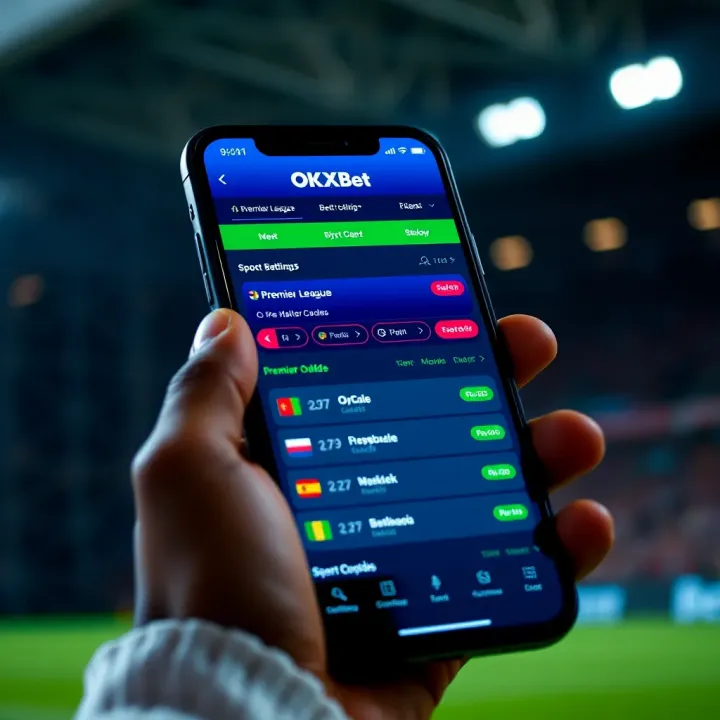
Discover OKXBet Nigeria's sports betting and casino options 🎰. Get top Premier League odds, safe payment methods, and tips to boost your bets ⚽💰.
Based on 10 reviews