
Okxbet Old Mobile Login Guide for Nigerian Users
🔐 Learn how to access Okxbet old mobile login in Nigeria with easy steps 🚀, solve login issues, and use the platform safely on your phone 📱 today!
Edited By
Michael Parker
Old mobile OkXBet shops have been a familiar part of Nigeria’s betting scene for over a decade. They usually operate from small kiosks or stalls, often in busy markets or street corners. These shops provide customers a physical touchpoint to place bets on sports and games, a setup that many Nigerians still prefer despite the rise of smartphone apps.
These outlets act as intermediaries between bettors and the online OkXBet platform, offering services such as account registration, bet placement, and cash withdrawals in naira. Many customers, especially those in less urban areas or with limited digital literacy, find these shops more accessible than online-only betting.
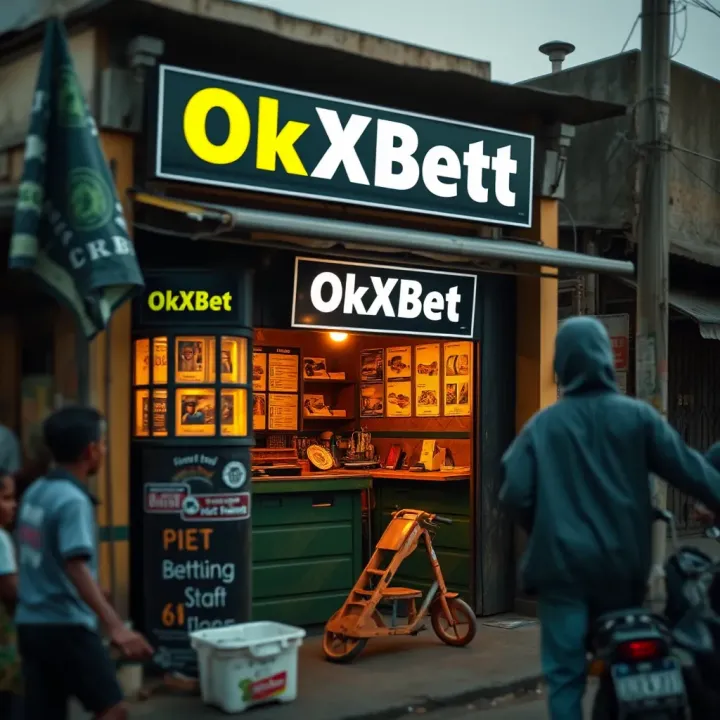
Their evolution is closely tied to Nigeria’s growing interest in sports betting. Back in the early 2010s, mobile internet was slow and expensive, so bookies relied on these physical shops for transactions. Shop operators would use smartphones or laptops to input bets on behalf of customers, charging a small commission. This model helped spread betting culture beyond tech-savvy youth to wider demographics.
Despite the digital shift, these old mobile shops still keep their relevance. They create jobs for many Nigerians, from attendants to cash custodians. Plus, they contribute to local economies by attracting foot traffic to their locations, sometimes multiplying business for nearby traders such as mama puts, barbing salons, and mobile airtime vendors.
The operational challenges are many, including managing cash flow, regulatory compliance, and competition from fully online platforms. Nonetheless, some have integrated newer technologies, accepting payments via bank transfers or USSD codes. A few even partner with fintech services like Paystack and Flutterwave to improve transaction security and speed.
Old mobile OkXBet shops form a bridge between grassroots bettors and the fast-growing digital betting world, ensuring inclusivity and economic impact beyond the online sphere.
To sum up, these shops still meet crucial demand by providing convenient, trusted betting access for many Nigerians. Understanding their role gives insight into how traditional business models adapt amid Nigeria’s digital finance boom. Their continued presence suggests betting culture in Nigeria will remain diverse, embracing both modern and classic methods.
The story of mobile OkXBet shops in Nigeria traces back to the early 2010s when sports betting began to capture public attention beyond traditional casinos. These shops quickly filled a gap by offering accessible betting options at street corners, markets, and busy neighbourhoods. Their evolution is closely tied to the increasing popularity of football and the passion Nigerians have for the sport.
Mobile betting shops emerged as operators sought to serve customers who preferred face-to-face interaction and immediate transaction over digital platforms. Early shops often operated from makeshift kiosks or rented spaces near transport hubs like danfo terminals or okada parks. This proximity made betting convenient for working-class customers who could place bets during daily commuting. Moreover, the shops served as social spots where bettors discussed games and shared tips, embodying more than just transactional outlets.
A practical example is the OkXBet shops in Lagos Mainland, which started as small spaces in busy areas like Mushin and Yaba. They combined in-person consultations with manual record-keeping before adopting basic mobile phones and USSD codes to log bets. The hands-on nature helped build trust especially among customers sceptical of online-only betting.
Several factors drove the rapid expansion of OkXBet mobile shops across Nigeria. First, increasing mobile phone penetration laid a solid foundation, allowing operators to communicate odds and confirm results via SMS or calls. Secondly, limited internet accessibility in many regions meant digital betting was not always an option, so physical shops met this demand effectively.
Another key factor was cost. Operating a mobile shop generally required lower capital than setting up a full-scale retail shop or casino, making it appealing for entrepreneurs trying to enter the betting business. The shops also created employment opportunities for youths, often recruiting local agents familiar with the neighbourhood.
Additionally, government policies at the time did not heavily regulate mobile betting, which encouraged more players to join the market openly. Together with Nigeria's love for football, these elements fostered a lively ecosystem that made OkXBet shops almost ubiquitous in urban and peri-urban centres.
Mobile OkXBet shops filled a vital role by making sports betting accessible where digital platforms had not yet taken root, blending convenience, social engagement, and economic opportunity.
Understanding this early history is crucial to appreciating how these traditional shops still matter today despite the growth of online alternatives. Their roots in community and adaptability to local realities helped shape Nigeria’s contemporary betting scene.
Old mobile OkXBet shops serve as a vital link between bettors and the broader sports betting ecosystem in Nigeria. Understanding how they operate sheds light on their resilience despite digital competition. These traditional shops are typically small-scale setups where customers physically place bets with attendants who use mobile devices to access OkXBet’s system.
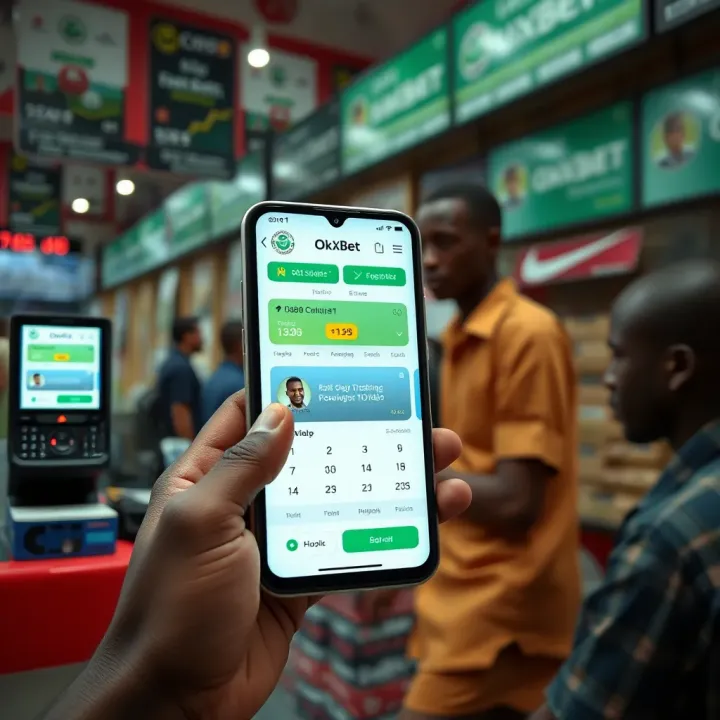
Most old mobile OkXBet shops find their homes in bustling neighbourhoods, often near markets, bus stops, or busy corners in cities like Lagos, Kano, or Port Harcourt. These locations are carefully chosen to catch high foot traffic, making it convenient for local bettors to pause and place wagers. A typical shop may be as modest as a small kiosk with a chair and table, sometimes sharing space with a mama put or roadside operator. This low-overhead setup helps owners keep operational costs manageable while attracting a steady stream of customers.
Besides urban centres, some shops position themselves strategically in suburbs or rural areas where internet access for online betting remains patchy. Here, traditional shops fill the gap, providing access that digital platforms alone cannot match due to infrastructural challenges.
The betting process in these shops balances convenience and personal touch. Customers walk in, discuss their desired bets with the operator, who then uses a smartphone or a basic mobile device to enter selections into the OkXBet platform. Wagers are confirmed through printed tickets or digital receipts sent via SMS, adding a tangible feel to transactions.
Operators often play multiple roles: advisor, bookmaker, and customer service point. They build trust by offering quick replies on odds changes or explaining betting options, which is especially useful for novice bettors. For example, in crowded areas of Ikeja, operators often share tips on football matches happening domestically and internationally, helping customers make informed choices that go beyond just guessing.
Although branded "mobile", most old OkXBet shops rely on basic smartphones or feature phones connected via prepaid mobile data or Wi-Fi hotspots. The devices run simple mobile apps or USSD codes to access betting markets. Common brands include Tecno and Infinix, popular for affordability and durability.
A network printer might be used to produce physical bet receipts, especially where customers prefer hard tickets over SMS confirmation. Moreover, many operators employ power banks or small generators to counter frequent power outages, ensuring services run smoothly through ember months when outages peak.
Despite the rise of fully online platforms, these shops keep local betting alive by marrying minimal technology with personalised service, making betting accessible to many Nigerians without smartphones or reliable internet.
Overall, the operation of old mobile OkXBet shops combines simplicity, strategic location, and interpersonal trust, creating a betting experience grounded in community ties and practical tech use. Their existence remains crucial, particularly for segments of the population still underserved by Nigeria’s growing digital economy.
Traditional OkXBet shops play a vital part in sustaining local businesses and creating jobs, especially in urban and semi-urban areas. These shops often operate alongside other small-scale enterprises such as kiosks, mama put eateries, and mini convenience stores, generating a cluster effect that boosts foot traffic and sales for surrounding businesses. For instance, a mobile OkXBet outlet in a Lagos neighbourhood could directly employ 3 to 5 people, including agents who manage customer bets and clerks who handle transactions.
Moreover, many operators within these shops also rely on contracted messengers or runners, often using okadas, to deliver betting slips or collect winnings. This creates an ecosystem where indirect employment flourishes, contributing to the livelihoods of over 10,000 Nigerians across various states. In some places, earnings from these shops help fund family projects like children's education or small home improvements, showing the broader economic ripple beyond the immediate business.
Old mobile OkXBet shops often serve as informal gathering spots for local communities, fostering social interactions that extend beyond just betting activities. Customers congregate here, sharing sports news, discussing match predictions, or catching up on local happenings, creating a social hub especially in areas where entertainment options are limited.
This social aspect is particularly important in densely populated neighbourhoods like Agege in Lagos or Aba in Abia State. Here, shops become spaces for healthy competition and camaraderie among bettors, promoting social ties and offering a sense of community belonging. However, this dynamic can sometimes bring subtle challenges, such as disputes over winnings or gambling-related disagreements, which local operators usually mediate cautiously to maintain harmony.
The economic benefits and social role of traditional OkXBet shops demonstrate that they are more than mere betting points—they are woven into the fabric of many Nigerian communities, supporting livelihoods and enhancing social networks.
Overall, these shops continue to hold relevance by driving local economies and nurturing community spirit, even as digital platforms reshape Nigeria's betting landscape. Understanding their impact helps businesses and policymakers appreciate their place and plan inclusive growth strategies in the sports betting sector.
Old mobile OkXBet shops face several challenges that affect their relevance and survival. These challenges range from fierce competition with online betting platforms, regulatory and security issues, to technological constraints. Understanding these factors is essential to grasp how traditional betting outfits must adapt in Nigeria's rapidly changing gambling ecosystem.
The rise of online betting platforms like Betway, 1xBet, and Bet9ja has significantly cut into the customer base of old mobile OkXBet shops. Online platforms offer convenience—punters can place bets anywhere at any time without queuing at a shop. Plus, online sites often offer attractive bonuses and live updates, which old shops struggle to match. For instance, a bettor in Lagos might prefer using a mobile app during a work break rather than visiting a corner shop. Without a strong digital presence, many traditional shops lose out to this tech-savvy clientele.
Traditional mobile OkXBet shops operate in a regulatory grey area in some states, leading to enforcement crackdowns. The Nigerian Betting Commission and state authorities increasingly monitor betting activities to curb illegal operations and money laundering. This scrutiny puts pressure on shop owners to comply with licensing and data-reporting requirements, which can be costly and complex. Furthermore, security remains a concern; shops holding large sums in cash are vulnerable to robbery, a frequent issue given poor police response in some areas. For example, in parts of Lagos, old shops have been targets for armed robbers during ember months when cash flow peaks.
Many old mobile OkXBet shops run with limited technological tools—mostly basic feature phones, manual record-keeping, and simple USSD codes. This restricts their operational efficiency and customer experience. Unlike fully digital platforms, these shops struggle to offer instant bet confirmation, detailed analytics, or a broad range of betting options. Also, shop owners often lack the technical skills or capital to invest in modern solutions like POS terminals or smartphone apps. Consequently, adapting to digital trends becomes slow, making it tougher to retain current customers and attract younger bettors who prefer seamless tech interfaces.
Addressing these challenges requires old mobile OkXBet shops to upscale their technology, align closely with regulatory demands, and find innovative ways to complement the digital betting surge rather than compete head-on.
Legal compliance and proactive liaison with regulatory bodies can secure operational licences.
Security enhancements, including CCTV and safer cash handling, can reduce vulnerability.
Training for shop operators on digital tools can ease technological upgrades.
Partnering with established online platforms may create hybrid models catering to both traditional and digital customers.
In sum, while old mobile OkXBet shops still hold an important place in Nigeria’s betting scene, these challenges must be tackled decisively to preserve their role and enable growth amid digital disruption.
The future of mobile betting in Nigeria stands at an interesting crossroads. Traditional mobile OkXBet shops have long served as familiar hubs for sports bettors and casino players, particularly those in semi-urban and rural areas where smartphone ownership and internet access are uneven. Yet, the rapid digital transformation sweeping through Nigeria’s betting market demands that these physical outlets adapt or risk fading into obscurity. Their integration with digital platforms opens new doors for both the operators and customers, providing convenience without completely erasing the personal touch that patrons value.
Combining old mobile OkXBet shops with digital technology can unlock practical benefits. By adopting apps or basic web interfaces for bets, these shops can serve customers who prefer in-person support but want faster transaction processing. For example, an OkXBet shop in Ibadan could integrate with Paystack’s payment gateway to accept electronic payments directly from customers’ bank accounts or mobile wallets, reducing reliance on cash and speeding up payouts. This would also help shops comply better with security regulations while building trust.
Besides payments, shops might use simple tablets to connect to popular Nigerian sports betting sites or markets, allowing bettors to access wider odds and events beyond what’s traditionally offered at physical shops. This hybrid model benefits older customers hesitant about full digital migration but seeking better options. The challenge lies in training shop operators to navigate these digital tools confidently, as some lack experience or technical support.
A blended approach ensures traditional shops remain relevant, leveraging mobile internet without abandoning their core strengths of personal assistance and community presence.
There are promising opportunities for innovation within the traditional mobile betting sector. For instance, shops could expand from purely sports betting into areas like fantasy football or e-sports betting, which are gaining traction among younger Nigerians. This shift can help diversify income streams while attracting a broader customer base.
Moreover, mobile shops can explore partnerships with telecom operators such as MTN or Airtel to provide exclusive airtime bonuses or data packages linked with betting activity, giving bettors both betting options and telecom incentives. These alliances can boost customer retention and drive higher engagement.
Business expansion may also mean opening micro-branches or kiosks in less saturated areas, supported by digital infrastructure linking them together. This network model allows centralized management of bets and payments, improving efficiency. For example, an OkXBet operator in Lagos might manage linked spots across neighbouring suburbs, using a cloud-based dashboard to track bets and resolve disputes real-time.
The key for these innovations is to stay within regulatory frameworks set by the National Lottery Regulatory Commission and engage customers with clear, safe, and user-friendly services. Failure to do so risks heavy fines or closures.
By blending traditional presence with digital tools and new betting markets, old mobile OkXBet shops can not only survive Nigeria’s evolving gambling ecosystem but thrive and create fresh economic opportunities. This balance between old and new defines the road ahead for mobile betting in Nigeria.
🔐 Learn how to access Okxbet old mobile login in Nigeria with easy steps 🚀, solve login issues, and use the platform safely on your phone 📱 today!
Explore the OkxBet old mobile shop booking app in Nigeria 🎲. Learn its features, booking process, challenges faced, and tips to improve your betting experience 📱💰.
Discover how to use the OkXBet old mobile booking app 📱 for sports betting in Nigeria. Learn its features, benefits, and why updates matter ⚽💡
🔒 Learn how to log in to OKXBet Lite mobile in Nigeria easily and safely. Get tips on smooth access, solve login issues fast, and enjoy secure betting on the go.
Based on 7 reviews